Early Warning Signs of a Termite Infestation
Recognizing early warning signs of a termite infestation helps homeowners protect their property, and local contractors can provide effective treatment to eliminate these pests.
Property owners in the area who notice subtle changes or unusual signs around their homes may find it helpful to learn about early warning signs of a termite infestation. Recognizing these indicators early can prevent extensive damage and save money on repairs. Common signs include the presence of discarded wings near windows or doors, small holes in wood surfaces, or tiny, mud-like tubes along foundation walls. Staying alert to these details can make a significant difference in addressing a potential problem before it escalates.
If any of these signs are observed, consulting with experienced local contractors who specialize in termite treatment can provide peace of mind. These professionals are equipped to assess the situation thoroughly and recommend appropriate treatment options. Exploring this topic further can help property owners better understand the importance of early detection and how local experts are ready to assist in safeguarding homes from termite damage.
- Termite Inspection - when homeowners notice wood damage or hollow-sounding wood, local contractors can perform thorough inspections to identify early signs of infestation.
- Wood Damage Assessment - signs of weakened or damaged wood may prompt service providers to evaluate for termites before the problem worsens.
- Mud Tube Detection - spotting mud tubes on foundation walls or beams can lead local pros to conduct targeted treatments and preventative measures.
- Swarm Identification - observing swarmers inside or near the home indicates an active infestation, prompting immediate evaluation by local specialists.
- Subterranean Signs - presence of discarded wings or cracked drywall can signal early infestation stages, encouraging local contractors to assess and treat the area.

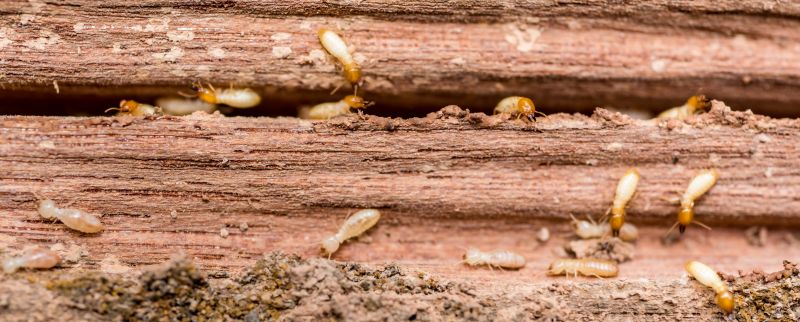

Understanding the early warning signs of a termite infestation is essential for homeowners who want to protect their properties from significant damage. When people search for this topic, they are often looking for practical indicators that termites may be present but have not yet caused visible, extensive harm. Recognizing these signs early can help homeowners decide whether to seek professional treatment before the problem worsens. Common concerns include spotting small mud tubes along foundation walls, noticing hollow-sounding wood, or seeing discarded wings around windows and doors. Being aware of these subtle clues can make a critical difference in preventing costly repairs and structural issues.
This topic is closely related to planning and problem-solving around pest control efforts. Homeowners often consider early warning signs of a termite infestation when evaluating the need for inspections or treatments. They may have ongoing projects to reinforce the foundation or replace damaged wood, and spotting signs early can influence these plans. When signs are detected, it’s important to involve experienced service providers who specialize in termite treatments. These local contractors can accurately identify the problem, assess the extent of the infestation, and recommend appropriate solutions to protect the property long-term.
The types of properties most commonly associated with early warning signs of a termite infestation include residential homes, especially those with wooden structures or siding, as well as multi-family buildings and historic properties. Homes with moisture issues, such as leaky pipes or poor drainage, are more vulnerable because termites thrive in damp environments. Additionally, properties with wood-to-soil contact or debris around the foundation can create pathways for termites to enter. Recognizing the signs early is particularly important in these settings to prevent widespread damage and to ensure that treatment efforts are targeted and effective.
Local service providers who handle termite infestations play a key role in addressing early warning signs. They can perform thorough inspections to confirm whether signs like mud tubes, wood damage, or wing debris indicate an active problem. Once a warning is identified, these pros can recommend tailored treatment options to eliminate the infestation and prevent future issues. For homeowners, connecting with experienced local contractors ensures that early signs are addressed promptly and effectively, helping to safeguard the property’s integrity and value over time.
Home Inspection Projects - These projects involve thorough inspections of residential properties to identify early signs of pest activity, including termite indicators, helping homeowners determine if professional treatment is needed.
Pest Detection System Installations - Installing monitoring devices and bait stations to detect termite activity early, which complements the detection of signs like mud tubes and damaged wood.
Wood Damage Assessments - Evaluating structural wood for signs of infestation, such as hollowed or weakened areas, which are common early warning signs of termite presence.
Moisture Control Projects - Addressing moisture issues that attract termites, since damp environments often precede visible signs of infestation.
Structural Damage Repairs - Repairing areas affected by termites, which requires identifying early signs to prevent further structural issues.
Preventive Home Maintenance - Routine upkeep services that include checking for early indicators of termite activity, aiding in early detection and treatment planning.

When evaluating service providers for addressing early warning signs of a termite infestation, it is important to consider their experience with similar projects. Homeowners should look for local contractors who have a history of diagnosing and treating termite issues in residential settings comparable to their own. An experienced professional is more likely to recognize subtle signs of an infestation, such as damaged wood or mud tubes, and recommend appropriate treatment options. This familiarity can help ensure that the chosen service provider understands the specific challenges that may arise in different home environments and can tailor their approach accordingly.
Clear written expectations are essential when comparing local pros for termite treatment services. Homeowners should seek providers who communicate their scope of work, methods, and potential outcomes in straightforward, written terms. This clarity helps prevent misunderstandings and ensures that both parties are aligned on what the inspection and treatment will involve. A reputable service provider will be transparent about their process, what homeowners can expect during and after treatment, and any follow-up recommendations. Having these expectations clearly outlined allows homeowners to make informed decisions and feel confident about the treatment plan.
Good communication and reputable references are key factors to consider when selecting local service providers. Homeowners can ask for references or reviews from previous clients to gauge the quality of service and professionalism. Additionally, a contractor who maintains open, responsive communication can better address questions or concerns that may arise during the inspection or treatment process. Reliable communication ensures that homeowners stay informed about findings, treatment options, and maintenance advice, fostering a smoother experience. Choosing a provider with a solid reputation and a commitment to clear, ongoing dialogue can greatly contribute to effective and satisfactory termite management.
Property owners often search for early warning signs of a termite infestation when they are planning practical projects around their homes and businesses. Local pros provide Termite Infestation Treatment services for everyday jobs and straightforward project options.
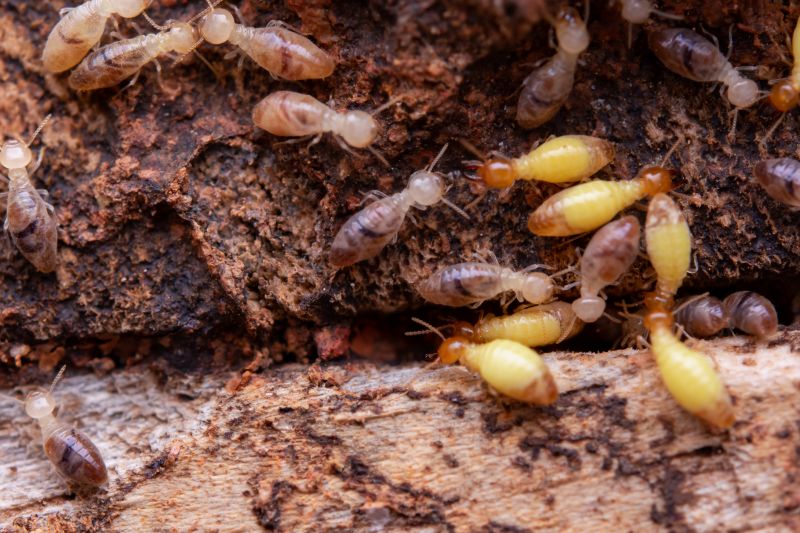

Property owners in the area often notice subtle signs that could indicate early warning signs of a termite infestation, especially during routine home inspections or while completing everyday projects. For example, small piles of wood-colored debris near foundation walls or inside crawl spaces might suggest termite activity. Additionally, discovering hollow-sounding wood or tiny, pin-sized holes in wooden structures can be a sign that termites are working beneath the surface. Recognizing these indicators early can help prevent extensive damage and prompt timely treatment from experienced local contractors specializing in termite control.
Many property owners seek out termite infestation treatment services after observing these early warning signs, particularly when preparing for seasonal home maintenance or repairs. Detecting signs such as mud tubes along exterior walls or in basement corners can be a clear indication that termites have begun to establish themselves. When these signs are identified, connecting with local service providers who specialize in termite control can ensure that the problem is addressed effectively. Proper treatment from knowledgeable contractors can help protect the structural integrity of a home and prevent further infestation.
What are common signs indicating a termite infestation? Signs include visible wood damage, discarded wings near windows or doors, and mud tubes along walls or foundations, which local contractors can inspect further.
How can I tell if termites are active in my home? Indicators of active termites involve fresh mud tubes, hollow-sounding wood, and small piles of termite droppings, prompting local service providers to evaluate the situation.
Are there specific areas where termite signs are more noticeable? Termite signs are often found around basements, crawl spaces, and near wooden structures, where local pros can perform thorough inspections.
What early warning signs should prompt me to seek treatment services? Early warning signs include tiny mud tubes on exterior walls, damaged wood, and swarmer termites, which local contractors can help confirm and address.
Can damage from termites be visible without a professional inspection? While some damage may be visible, many signs require expert assessment, making it advisable to contact local pros for a detailed inspection and treatment options.
Wood damage or hollow sounds - noticing soft or hollow-sounding wood can indicate termites have begun tunneling inside, prompting property owners to seek inspection and treatment services from local contractors.
Mud tubes on exterior walls - discovering mud tubes along foundations or walls signals active termite activity, encouraging homeowners to schedule an evaluation with nearby specialists.
Swarmers or discarded wings - seeing swarmers or their shed wings around windowsills or light fixtures can be a sign of an infestation, leading property owners to consider professional treatment options.
Cracked or bubbling paint and wallpaper - observing peeling or bubbling surfaces may be caused by termites eating behind walls, motivating property owners to contact local service providers for assessment and treatment.
If you are thinking about early warning signs of a termite infestation for a property, this guide is meant to help you understand this topic, the typical project types, and how different options might fit your plans.
When you are ready, you can use the quote form on this page to share a few details about your project. From there, local pros can review the basics and follow up with options that match what you have in mind.