How Termites Enter Homes and Commercial Structures
Homeowners and business owners seeking termite control can rely on local contractors who understand how termites enter structures and can provide effective treatment options.
Understanding how termites enter homes and commercial structures is essential for property owners aiming to protect their investments. These pests often find ways inside through small cracks in foundations, gaps around utility lines, or even tiny openings in window and door frames. Recognizing the common entry points can help property owners identify vulnerabilities early and take practical steps to prevent infestations. Local contractors who specialize in termite control can assess these entry sites and recommend effective treatment strategies to keep structures secure.
Exploring this topic is particularly relevant for those in areas prone to termite activity, where early detection and prevention can save significant time and money. Since termites can cause extensive damage if left unchecked, many property owners choose to work with experienced service providers who understand the local environment and termite behaviors. These professionals can offer tailored solutions to address entry points and establish ongoing protection, ensuring that homes and commercial buildings remain protected from unseen threats.
- Home Inspection - when homeowners suspect termites may have entered through cracks or damaged wood, local contractors assess entry points and recommend treatment strategies.
- Structural Damage Repair - if signs of termite activity are found in wood or foundation areas, service providers evaluate how termites entered and implement targeted control measures.
- Moisture Management - in cases where excess moisture attracts termites, local pros identify entry points related to damp conditions and advise on moisture control solutions.
- Barrier Treatments - when preventive measures are needed to block termites from entering, service providers apply physical or chemical barriers at common entry points.
- Infestation Treatment - upon discovering termites inside walls or foundations, local contractors determine how they entered and conduct treatments to eliminate the colony.
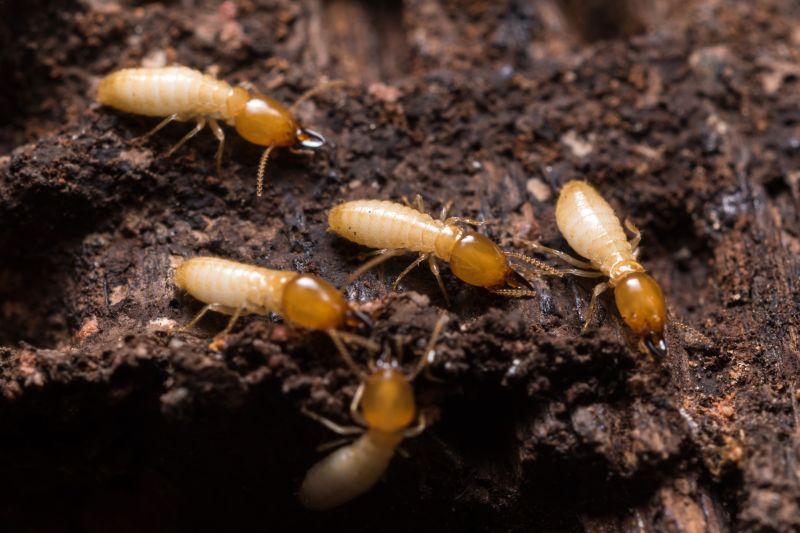
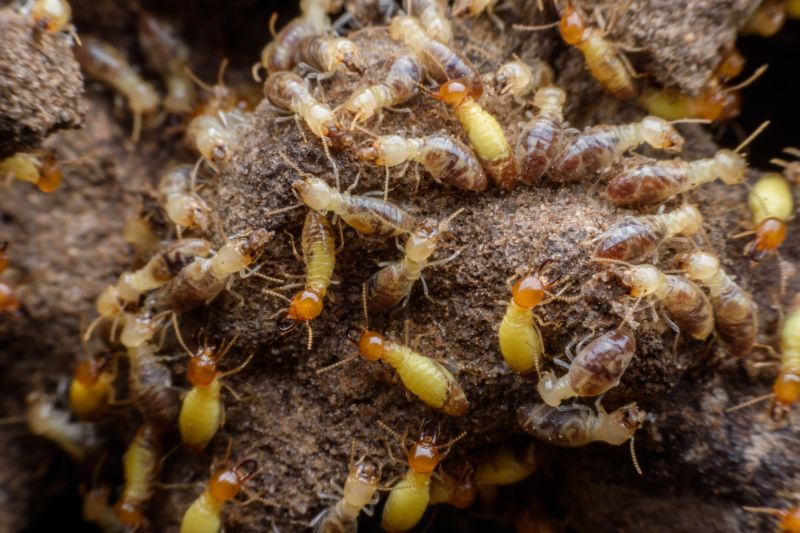
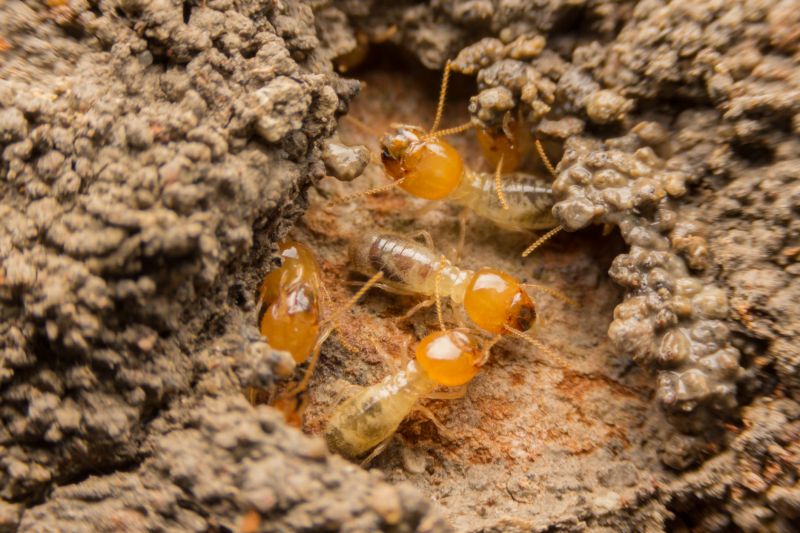
Understanding how termites enter homes and commercial structures is essential for property owners concerned about potential infestations. When people search for this topic, they usually want to learn about the common pathways termites use to gain access indoors. This knowledge helps identify vulnerable areas and develop effective prevention strategies. Many are interested in how these pests can silently invade a property, often without obvious signs until significant damage occurs. Recognizing the entry points allows homeowners and business owners to better plan for inspections, repairs, and ongoing pest management.
This topic is closely related to problems such as structural damage, costly repairs, and the need for ongoing pest control measures. When termites enter a building, they typically do so through cracks, gaps, or openings in the foundation, walls, or around utility penetrations. For property owners planning to protect their investments, understanding these entry routes is crucial for implementing targeted treatments and repairs. Local service providers specializing in termite control can help evaluate a property's vulnerabilities, recommend sealing or barrier solutions, and establish ongoing monitoring to prevent future invasions.
The types of properties most often involved in discussions about termite entry include single-family homes, apartment complexes, commercial buildings, and warehouses. These structures tend to be at risk because of their proximity to soil and wood sources that termites feed on. Properties with wood framing, mulch beds close to the foundation, or poor drainage are especially susceptible. For property owners, recognizing the characteristics that make a property vulnerable can inform decisions about maintenance, landscaping, and early detection efforts. Local termite control contractors are equipped to assess these factors and provide tailored solutions to minimize the risk of infestation.
Knowing how termites enter homes and commercial structures helps property owners understand the importance of regular inspections and proactive measures. Local pros can identify potential entry points during thorough evaluations and recommend appropriate treatments, such as barriers or soil treatments, to block these pathways. They also assist in addressing existing vulnerabilities, whether through sealing cracks or improving drainage around the property. By working with experienced service providers, property owners can better protect their structures from termite damage, ensuring peace of mind and preserving the integrity of their investments.
Foundation Repair Projects - addressing foundation issues often involves understanding how pests like termites can enter through cracks and gaps, making this a related skill for pest control specialists.
Wood Damage Restoration - repairing or replacing damaged wood requires knowledge of how termites invade structures and the best methods to prevent future infestations.
Structural Inspection Services - inspecting buildings for vulnerabilities that allow termite entry is closely related to identifying entry points used by termites.
Moisture Control Projects - managing moisture levels around buildings helps prevent termite entry, linking moisture management to pest prevention strategies.
Basement and Crawl Space Encapsulation - sealing these areas can block termite access points, making this work relevant to controlling how termites enter structures.
Exterior Siding and Wall Repair - fixing damaged siding and walls can eliminate common entry points for termites, aligning with their methods of entry into buildings.
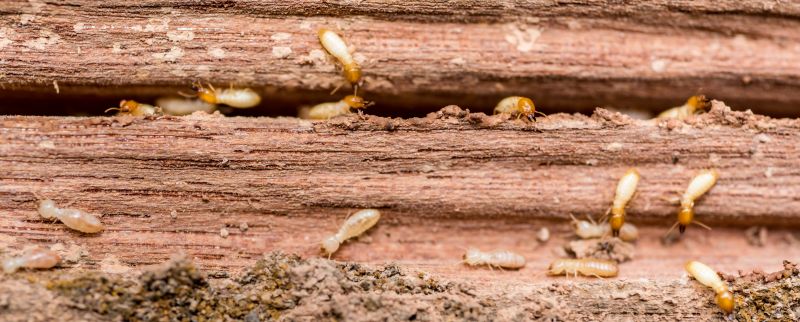
When comparing service providers for termite control, it is important to consider their experience with similar projects involving how termites enter homes and commercial structures. An experienced contractor will have a thorough understanding of common entry points such as cracks in the foundation, gaps around utility lines, and wood-to-soil contact areas. They can assess the specific conditions of a property and recommend targeted solutions based on past work with structures similar in size, age, and construction type. This familiarity can lead to more effective treatments and prevention strategies, helping ensure that the problem is addressed comprehensively.
Clear and written expectations are essential when evaluating local contractors for termite control services. A reputable service provider should be able to outline the scope of work, including inspection procedures, treatment methods, and follow-up measures. Having these details in writing helps prevent misunderstandings and provides a transparent basis for decision-making. It also allows homeowners to compare proposals more objectively, ensuring that all aspects of how termites enter structures and how they will be managed are thoroughly covered. Clear expectations foster trust and make it easier to hold contractors accountable for delivering the agreed-upon services.
Reputable references and effective communication are critical factors in selecting a dependable termite control provider. Service providers with a history of satisfied clients and positive references demonstrate their ability to handle projects efficiently and professionally. Good communication ensures that homeowners can ask questions, express concerns, and receive timely updates throughout the process. This open dialogue helps clarify how the contractor plans to address the specific ways termites enter buildings and maintain ongoing pest management. Choosing a contractor known for responsiveness and transparency can lead to a smoother experience and greater confidence in the effectiveness of the termite control services provided.
Property owners often search for how termites enter homes and commercial structures when they are planning practical projects around their homes and businesses. Local pros provide Termite Control services for everyday jobs and straightforward project options.
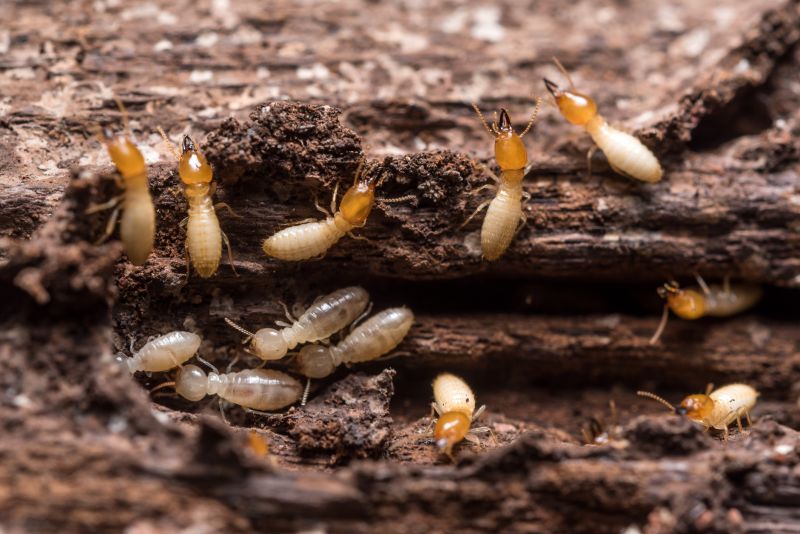
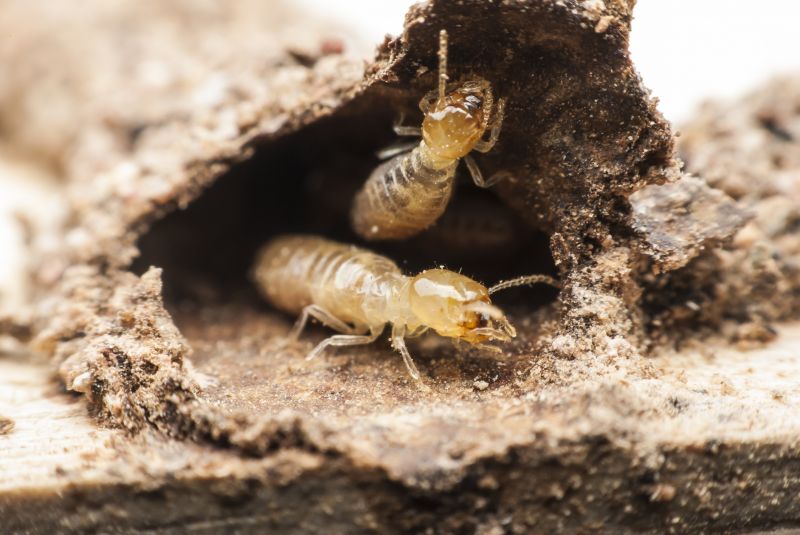
Understanding how termites enter homes and commercial structures is a common concern for property owners in the area. These pests often find their way inside through tiny cracks in the foundation, gaps around utility lines, or openings around windows and doors. Additionally, wood-to-ground contact, such as wooden decks or landscaping features touching the building’s exterior, can provide easy access points. Property owners may look into termite control services after noticing signs of infestation or wanting to prevent future problems, especially if their property has wooden structures or is located in areas prone to termite activity.
Local contractors specializing in termite control can assess vulnerabilities and identify entry points that might allow termites to invade a property. They often recommend treatments or preventive measures tailored to specific situations, such as sealing cracks or applying soil barriers. Property owners seeking to protect their investments can contact these service providers to explore options for keeping termites out and maintaining the integrity of their structures.
How do termites typically enter homes and commercial structures? Termites often enter through cracks in the foundation, gaps around utility lines, or damaged wood. They can also find their way in through soil contact or existing openings in the building's exterior.
What are common entry points for termites in buildings? Common entry points include foundation cracks, gaps around pipes and wires, vents, and areas where wood contacts soil or moisture accumulates. These vulnerabilities allow termites to access indoor spaces easily.
How can local service providers help prevent termite entry? Local contractors can inspect properties for potential entry points, recommend repairs to seal cracks and gaps, and apply treatments that create barriers against termites entering the structure.
Are there signs that termites have already entered a building? Signs include mud tubes on exterior walls, damaged wood that sounds hollow, discarded wings, and small piles of termite droppings near entry points. Professional inspections can confirm infestations.
What measures do termite control services take to block entry points? Service providers often install physical barriers, treat soil around the foundation, and recommend maintenance practices to reduce moisture and prevent future entry points for termites.
Identify common entry points - property owners can inspect for cracks, gaps, and openings around foundations and utility lines where termites may enter, and then have local contractors seal these areas.
Maintain proper moisture levels - ensuring proper drainage and fixing leaks can reduce wood-to-soil contact, making structures less attractive to termites, with help from local service providers.
Remove wood debris and mulch - keeping wood piles and mulch away from the foundation minimizes accessible food sources and entry points, which local pros can advise on managing effectively.
Schedule regular inspections - periodic evaluations by local termite control specialists can detect early signs of entry and prevent infestations before they become severe.
If you are thinking about how termites enter homes and commercial structures for a property, this guide is meant to help you understand this topic, the typical project types, and how different options might fit your plans.
When you are ready, you can use the quote form on this page to share a few details about your project. From there, local pros can review the basics and follow up with options that match what you have in mind.